Sewer Replacement in Denver, CO
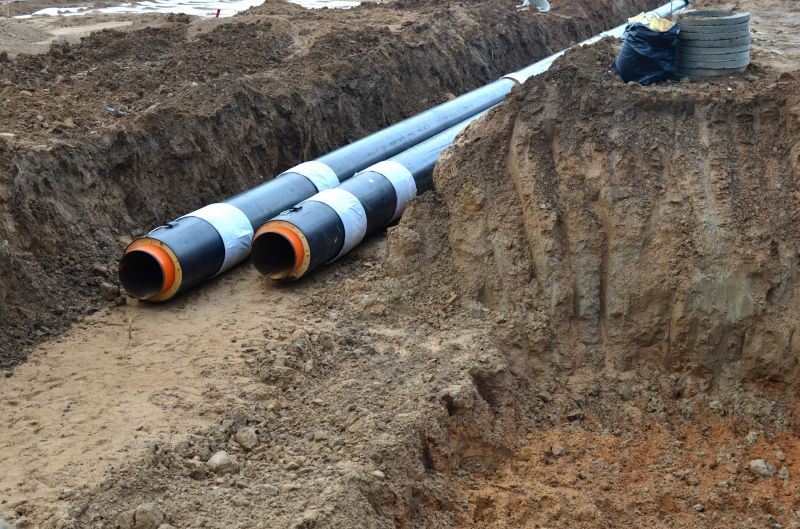
Sewer replacement services involve removing and installing underground sewer lines that are damaged, deteriorated, or no longer functioning properly. This type of project is typically necessary when existing sewer pipes develop leaks, cracks, blockages, or root intrusion, which can lead to unpleasant odors, backups, or property damage. Property owners often request sewer replacement when repairs are no longer sufficient or cost-effective, or when upgrading to newer piping materials that offer better durability and performance. It is important to understand the scope of the work, including the potential for excavation or trenching, and to consider how the new sewer lines will connect to existing plumbing systems.
Before requesting sewer replacement, property owners should evaluate the age and condition of current sewer lines, as well as any history of backups or plumbing issues. Understanding the layout of the property’s underground plumbing and knowing if additional permits are required can help streamline the process. Additionally, it’s useful to consider the impact on landscaping and access during installation, as well as any potential disruptions to water and waste flow. Having clear information about the project scope and the property’s plumbing system can assist in planning and ensuring a smooth replacement process.
Many property owners in Denver, CO look into Sewer Replacement for repairs, replacements, upgrades, and appearance-related improvements.
Signs You Need Sewer Replacement
Persistent backups or foul odors can indicate sewer line issues requiring replacement.
Types Of Sewer Replacement Services
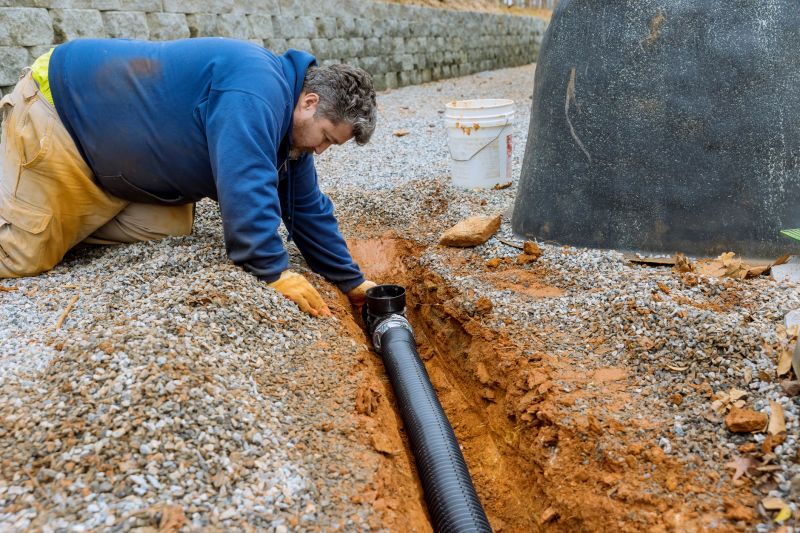
Services may include trenchless repairs, pipe lining, or full pipe replacement to restore proper flow.
Benefits Of Professional Sewer Replacement
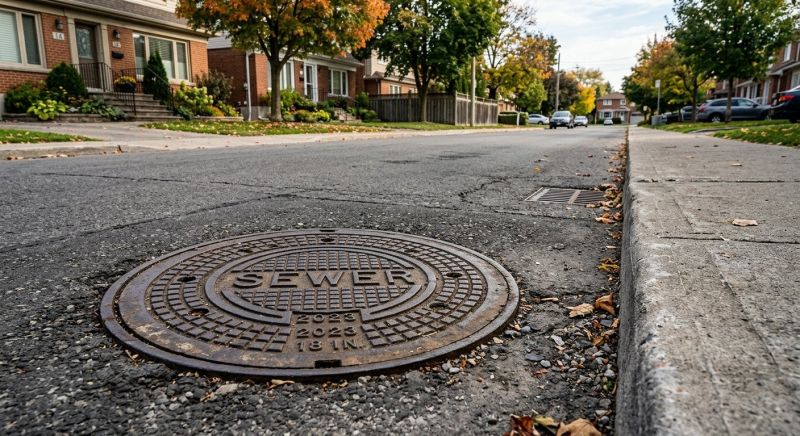
Expert replacement helps prevent property damage and ensures reliable sewer system performance in denver and nearby areas.
Sewer Replacement in Denver, CO

Sewer replacement services involve removing and installing underground sewer lines that are damaged, deteriorated, or no longer functioning properly. This type of project is typically necessary when existing sewer pipes develop leaks, cracks, blockages, or root intrusion, which can lead to unpleasant odors, backups, or property damage. Property owners often request sewer replacement when repairs are no longer sufficient or cost-effective, or when upgrading to newer piping materials that offer better durability and performance. It is important to understand the scope of the work, including the potential for excavation or trenching, and to consider how the new sewer lines will connect to existing plumbing systems.
Before requesting sewer replacement, property owners should evaluate the age and condition of current sewer lines, as well as any history of backups or plumbing issues. Understanding the layout of the property’s underground plumbing and knowing if additional permits are required can help streamline the process. Additionally, it’s useful to consider the impact on landscaping and access during installation, as well as any potential disruptions to water and waste flow. Having clear information about the project scope and the property’s plumbing system can assist in planning and ensuring a smooth replacement process.
Many property owners in Denver, CO look into Sewer Replacement for repairs, replacements, upgrades, and appearance-related improvements.
Common Sewer Replacement Jobs
Sewer Replacement - involves removing and installing new sewer lines to ensure proper drainage.
Full Sewer Line Replacement - replaces aging or damaged sewer pipes throughout the property.
Trenchless Sewer Replacement - minimizes surface disruption with advanced pipe replacement techniques.
Broken or Blocked Sewer Line Repair - addresses blockages and leaks that cause backups and odors.
Main Sewer Line Replacement - upgrades the primary sewer line to prevent future backups and property damage.
Sewer Line Inspection and Replacement - uses camera technology to assess pipe condition and determine replacement needs.
Sewer Replacement Questions
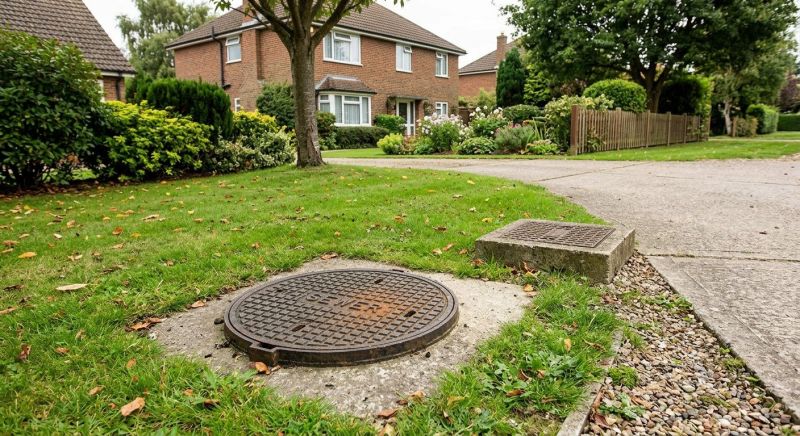
What are signs that sewer replacement may be needed? Indicators include frequent backups, foul odors, or visible cracks in the sewer line.
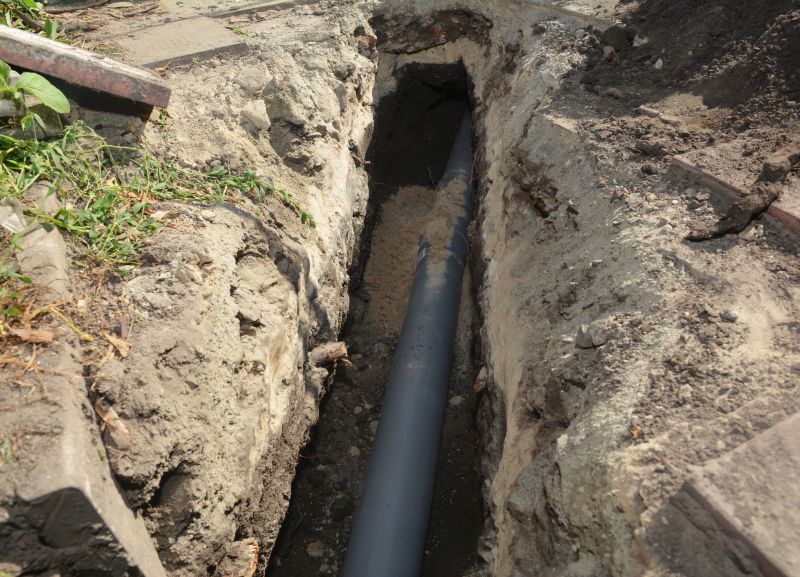
How is a sewer line replaced? The process involves removing the damaged pipe and installing a new sewer line, often using trenchless methods when possible.
What types of projects typically require sewer replacement? Common projects include addressing persistent clogs, replacing aging pipes, or repairing damage caused by tree roots.
What should property owners know before replacing a sewer line? Proper planning involves assessing the extent of damage and choosing the appropriate replacement method for the property.
Request Sewer Replacement in Denver, CO
Use the quote form on this page to share the basics of your project and request more information for the type of work you need.