Septic System Relocation in Denver, CO
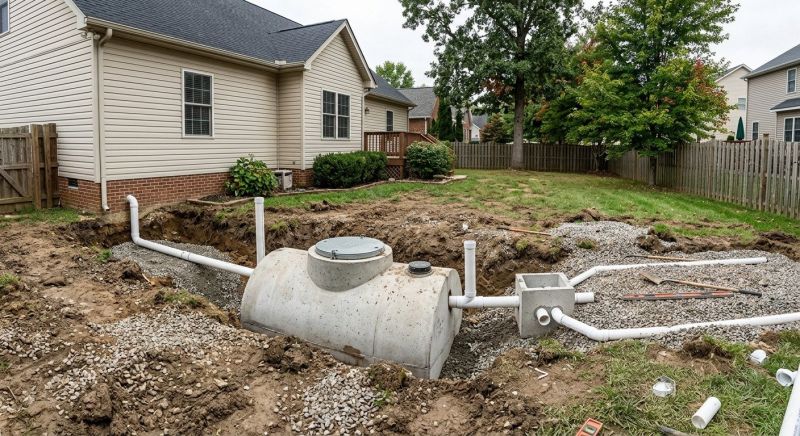
Septic system relocation services involve moving an existing septic tank and drain field to a new location on a property. This type of project is often necessary when a home or building is being renovated, expanded, or if the current septic system no longer functions properly due to age, damage, or site constraints. Property owners typically seek this service to ensure their septic system remains compliant with local regulations, to improve system performance, or to accommodate changes in land use. The process can include assessing the property, designing a suitable new location, and carefully excavating and reinstalling the septic components to ensure proper operation.
Before requesting septic system relocation services, property owners should understand the condition of their current system, the zoning and setback requirements for new locations, and the potential impact on property value. It’s also important to consider the accessibility of the new site for installation and maintenance, as well as any necessary permits or approvals from local authorities. Gathering detailed information about the property’s soil conditions and topography can help determine the feasibility of relocating the septic system and ensure the project proceeds smoothly.
Many property owners in Denver, CO look into Septic System Relocation for repairs, replacements, upgrades, and appearance-related improvements.
Reasons For Septic System Relocation
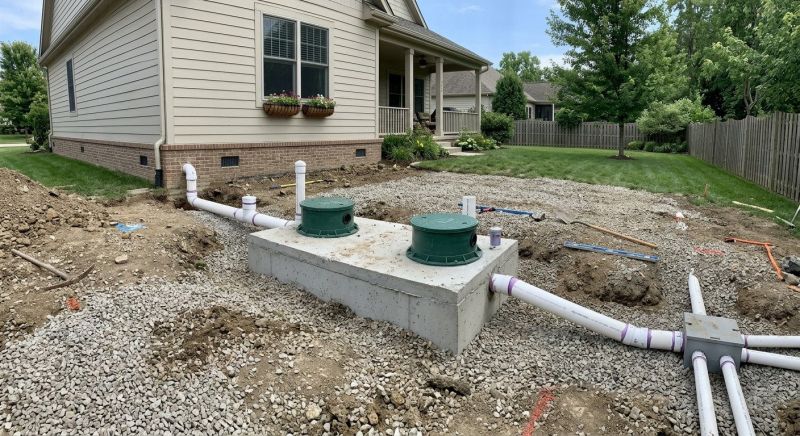
Septic systems may need to be moved due to property expansions, new construction, or site limitations.
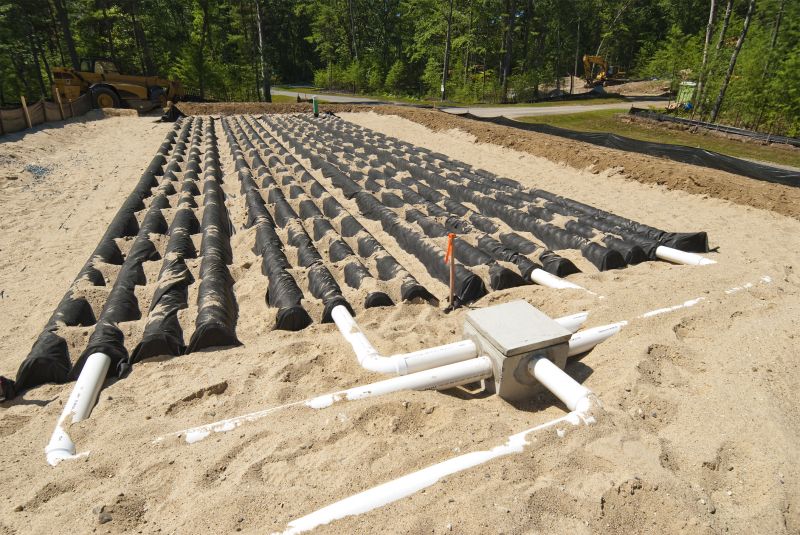
Key Considerations For Moving A Septic System
Proper planning includes assessing soil conditions, ensuring compliance with local regulations, and selecting an appropriate new location.
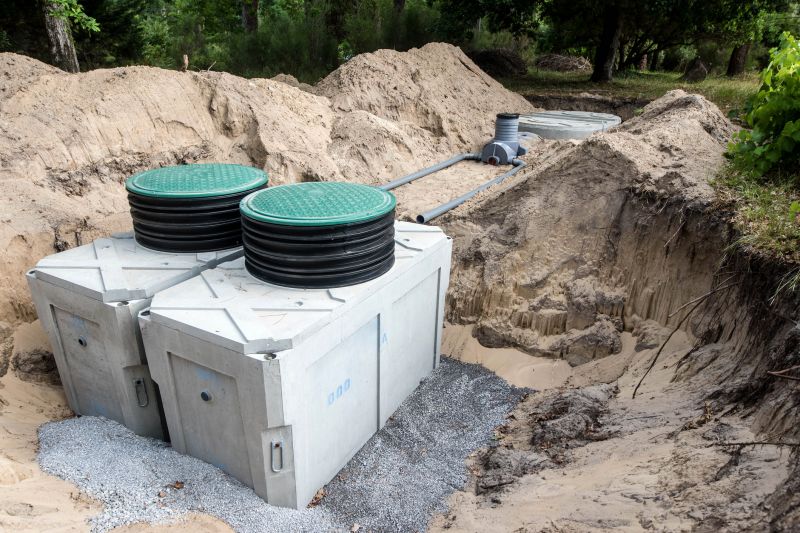
Benefits Of Professional Septic Relocation
Expert services help ensure the system is relocated safely, efficiently, and in accordance with all health standards.
Septic System Relocation in Denver, CO

Septic system relocation services involve moving an existing septic tank and drain field to a new location on a property. This type of project is often necessary when a home or building is being renovated, expanded, or if the current septic system no longer functions properly due to age, damage, or site constraints. Property owners typically seek this service to ensure their septic system remains compliant with local regulations, to improve system performance, or to accommodate changes in land use. The process can include assessing the property, designing a suitable new location, and carefully excavating and reinstalling the septic components to ensure proper operation.
Before requesting septic system relocation services, property owners should understand the condition of their current system, the zoning and setback requirements for new locations, and the potential impact on property value. It’s also important to consider the accessibility of the new site for installation and maintenance, as well as any necessary permits or approvals from local authorities. Gathering detailed information about the property’s soil conditions and topography can help determine the feasibility of relocating the septic system and ensure the project proceeds smoothly.
Many property owners in Denver, CO look into Septic System Relocation for repairs, replacements, upgrades, and appearance-related improvements.
Common Septic System Relocation Jobs
Septic System Relocation - Involves moving an existing septic system to a new location on the property.
Septic System Replacement - Replaces an outdated or damaged system with a new installation in a different area.
Property Expansion Projects - Supports home additions or new structures by relocating the septic system accordingly.
Site Assessment and Planning - Evaluates property conditions to determine optimal new locations for septic systems.
Drainfield Relocation - Moves the drainfield to improve system performance or accommodate landscape changes.
Permit and Compliance Assistance - Ensures the relocation project meets local codes and regulations.
Septic System Relocation Questions
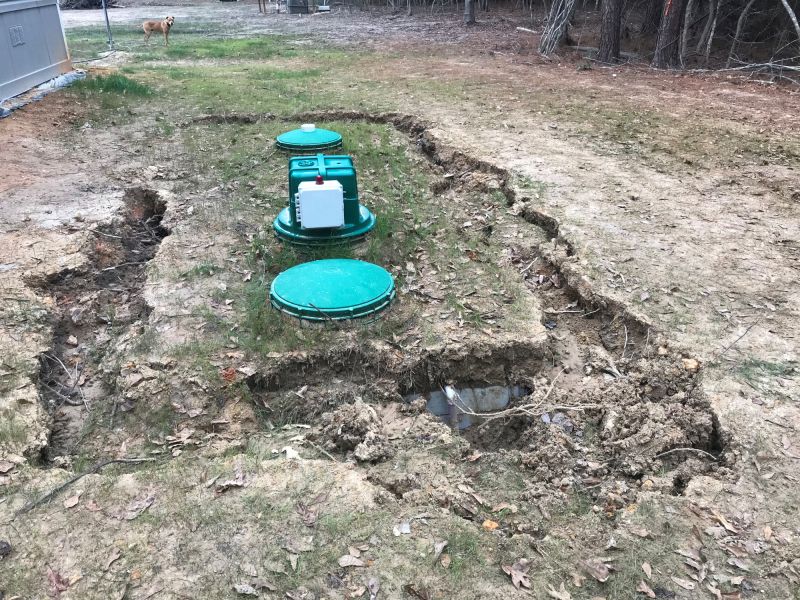
Why might someone need septic system relocation? Septic systems may need to be moved due to new construction, property development, or to improve system function and access.
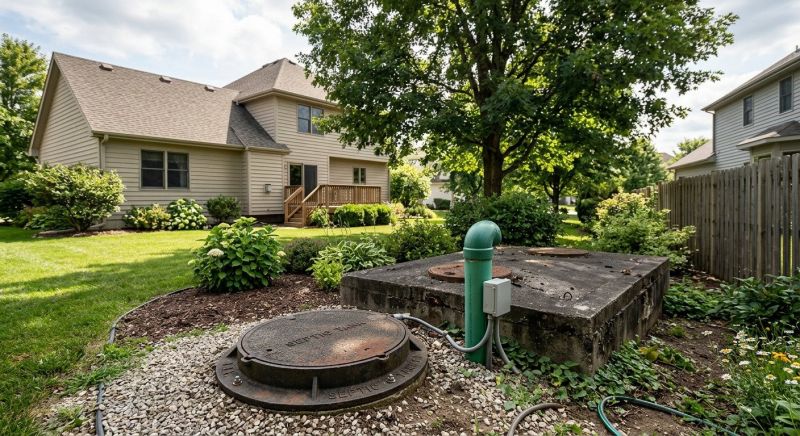
What should property owners consider before relocating a septic system? It's important to evaluate site conditions, access points, and local regulations to ensure proper placement and compliance.
Are there specific areas where septic systems cannot be relocated? Yes, restrictions often exist near water sources, property lines, or in designated setback zones to prevent contamination and ensure safety.
What are common reasons for choosing to relocate a septic system? Reasons include space constraints, changes in land use, or the need to improve system efficiency and maintenance access.
Request Septic System Relocation in Denver, CO
Use the quote form on this page to share the basics of your project and request more information for the type of work you need.